
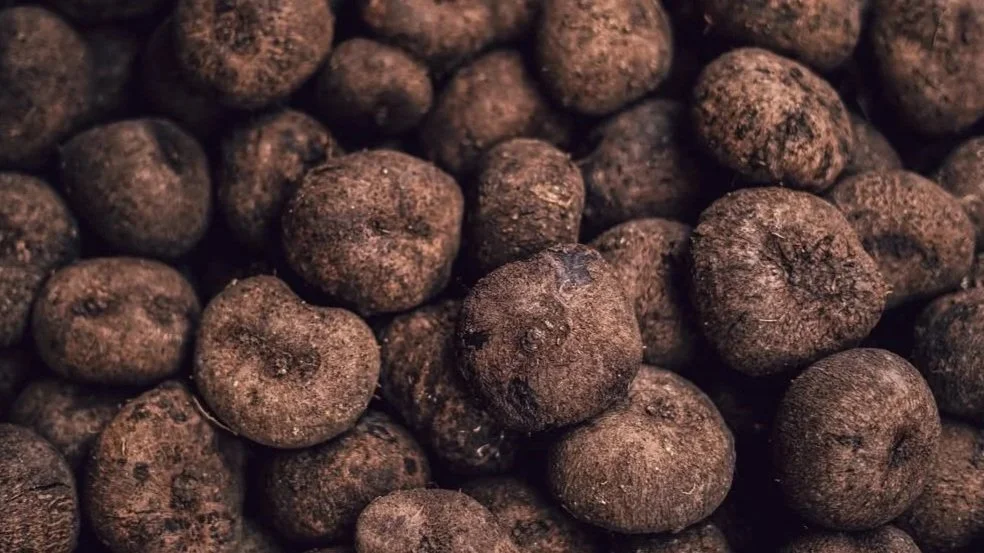

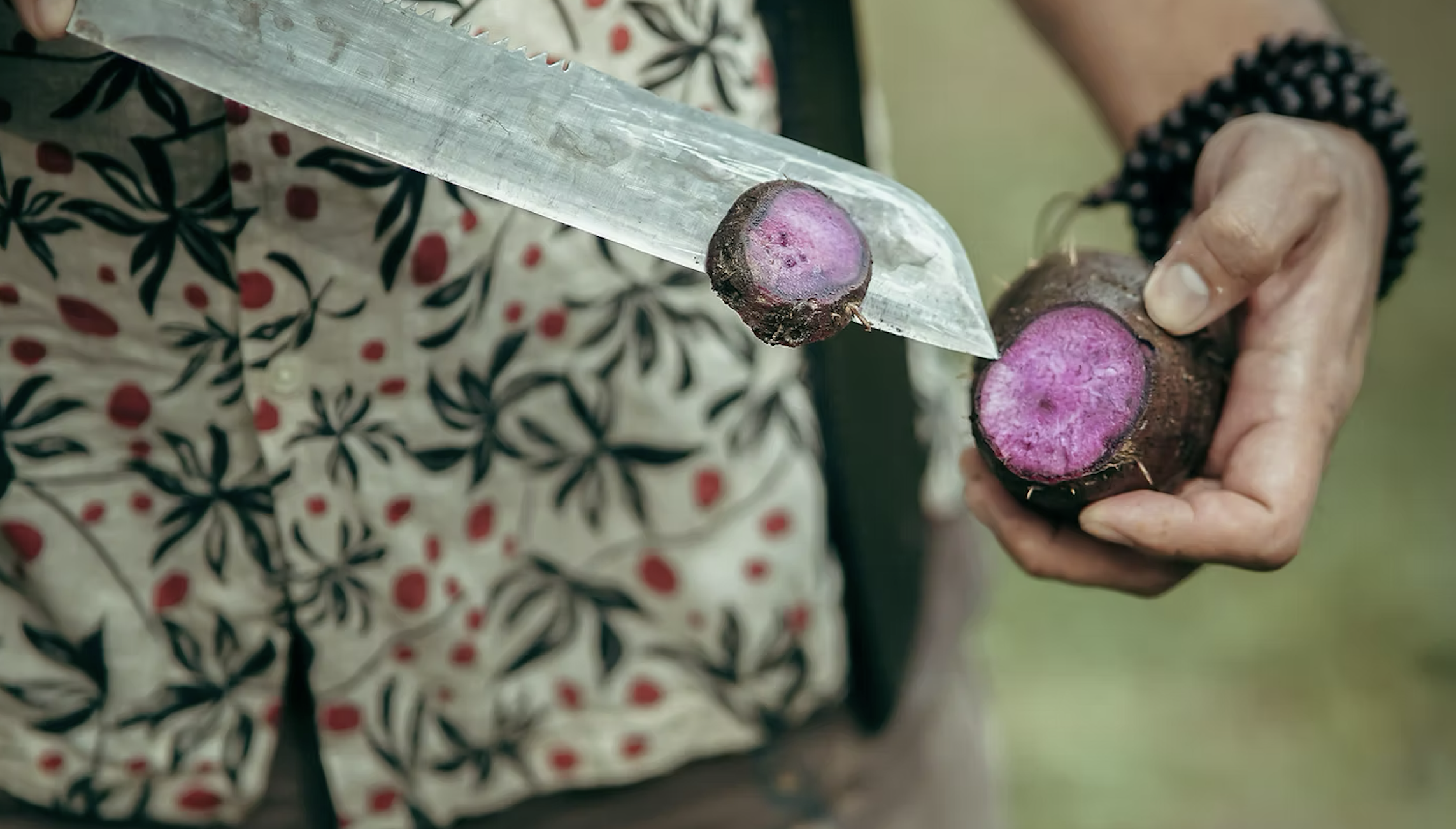
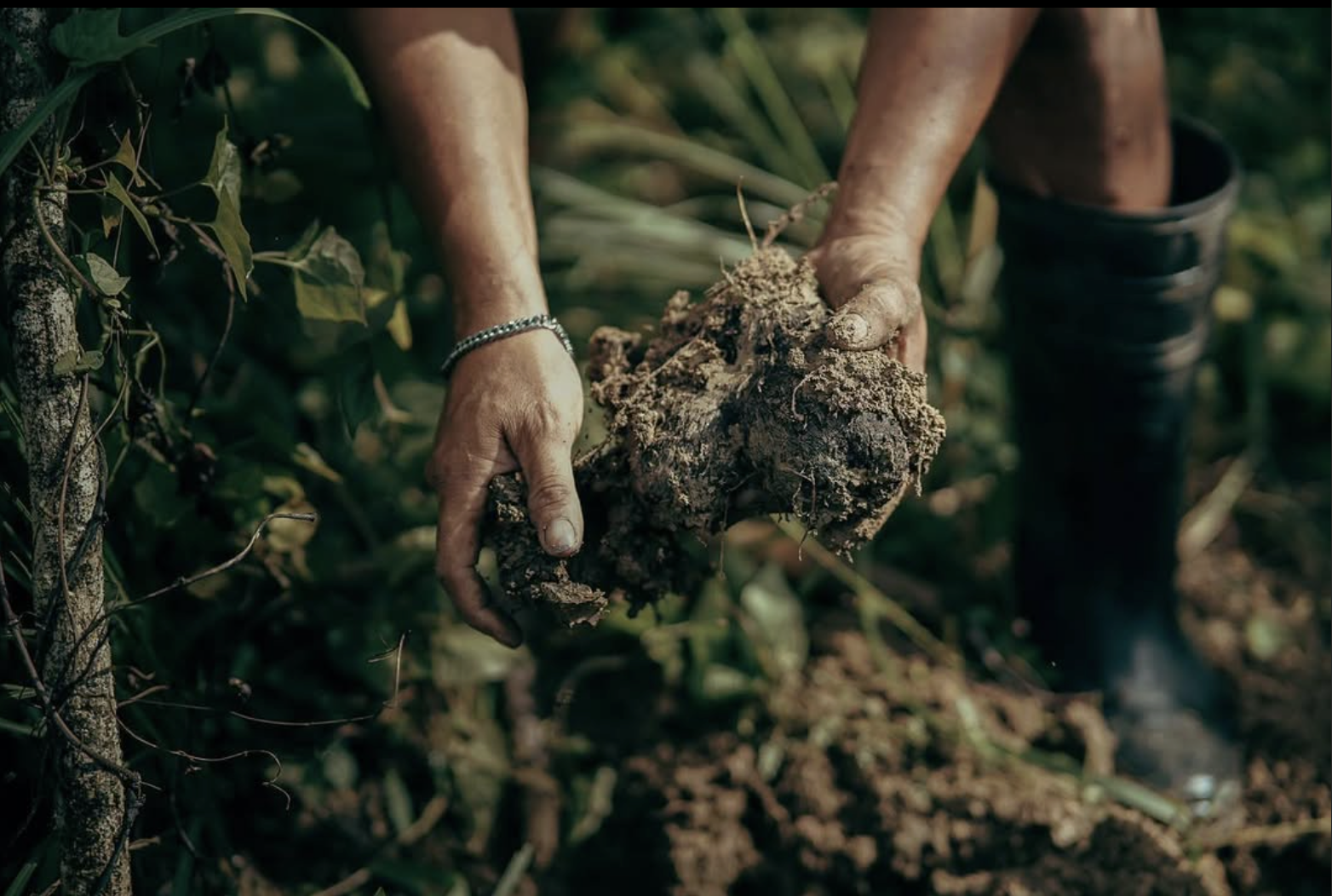
Ube (pronounced oo-beh) is a purple yam native to the Philippines, known for its vibrant colour and smooth, velvety texture. It has a gentle, well-rounded sweetness with subtle vanilla and light nutty notes, creating a soft, balanced flavour. In regions like Bohol, ube is especially valued, where it has long been grown and used as part of local agriculture, reflecting its roots as a staple crop across the country.

Ube’s distinctive purple colour comes naturally from pigments called anthocyanins, found in high concentrations within the yam. These water-soluble compounds are responsible for the red, purple, and blue tones seen in many fruits and vegetables. In ube, they create its deep violet colour, which can vary depending on how it’s grown and prepared. Beyond appearance, anthocyanins are known for their antioxidant properties, with potential anti-inflammatory benefits and links to supporting overall health.
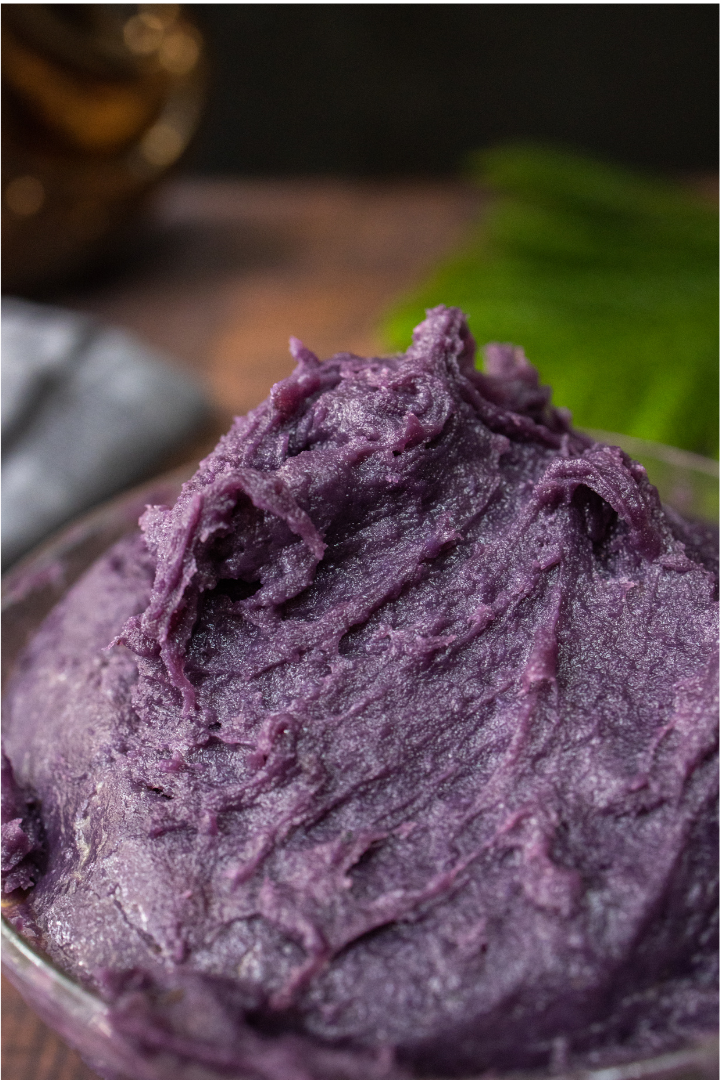

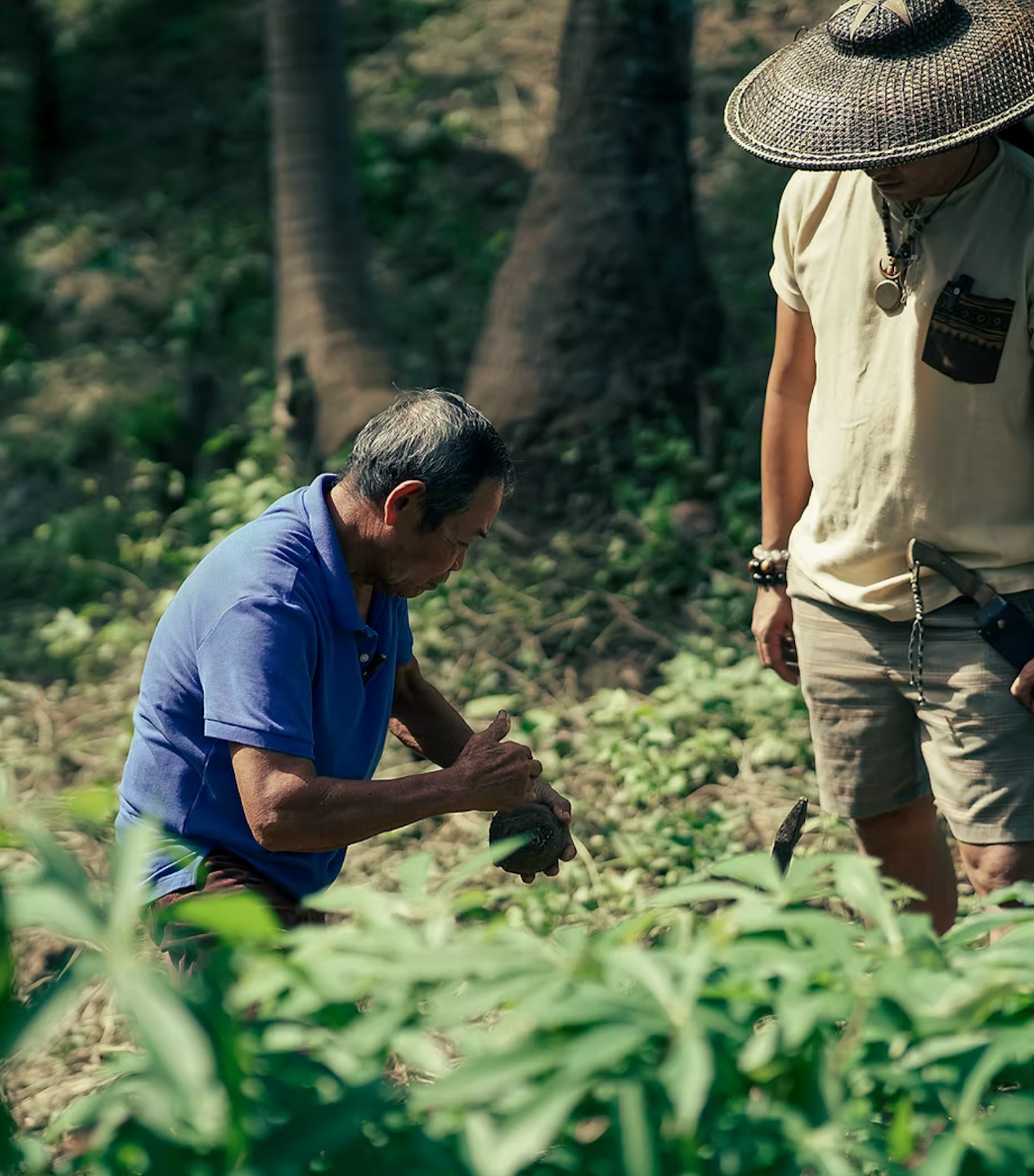
Ube has been cultivated in the Philippines for centuries as a native crop, becoming part of everyday diets and local cooking. Over time, it became closely associated with desserts like ube halaya a traditional preparation passed down through generations. Found in both home kitchens and bakeries, ube remains a familiar and enduring part of Filipino culinary tradition.

In the Philippines, ube is a familiar part of everyday food culture, commonly used in desserts that are shared during gatherings and celebrations. Widely recognised and regularly enjoyed, it remains a consistent presence across generations, reflecting a culture centred around sharing food and familiar flavours.