PHILIPPINES
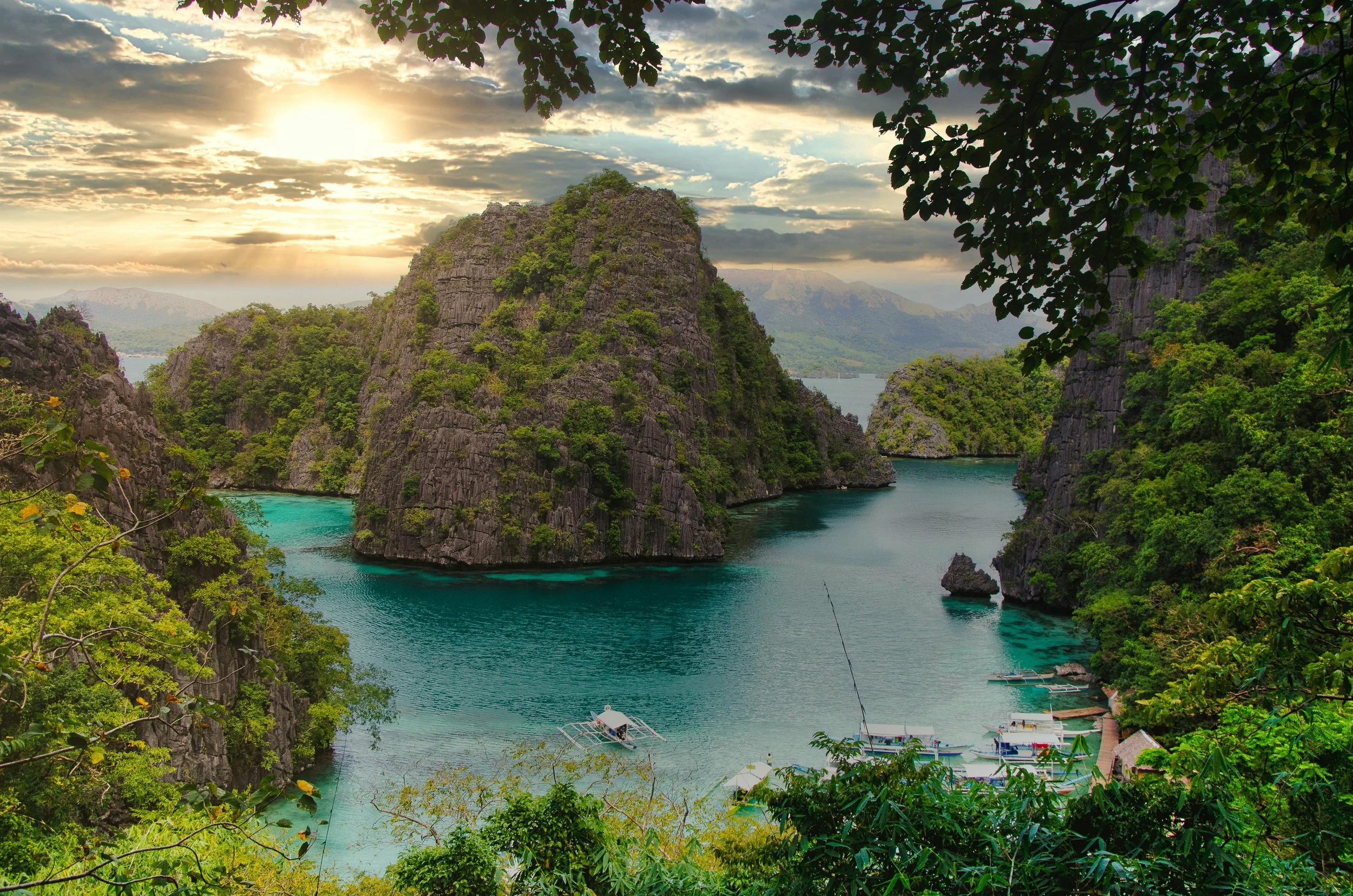
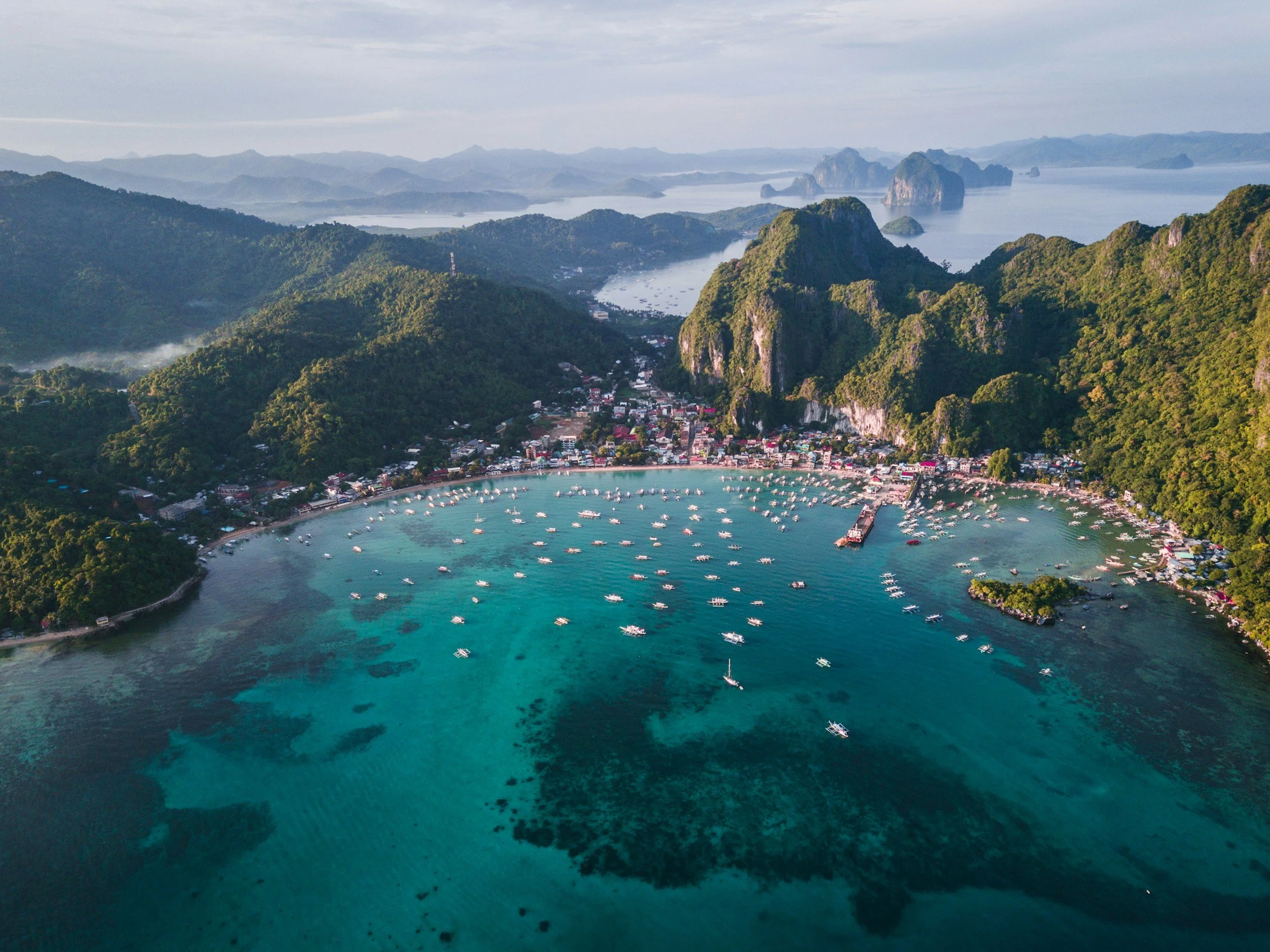
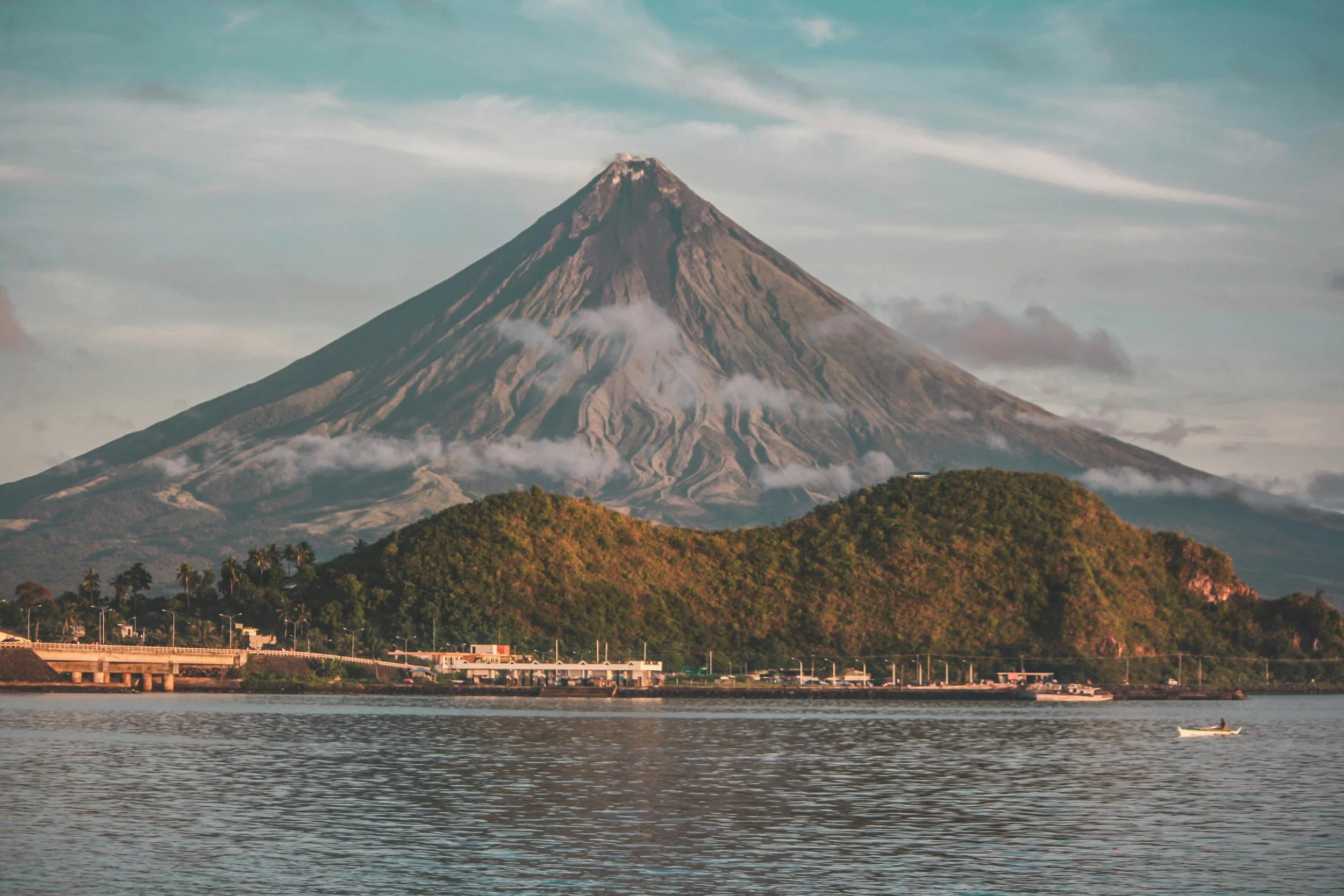
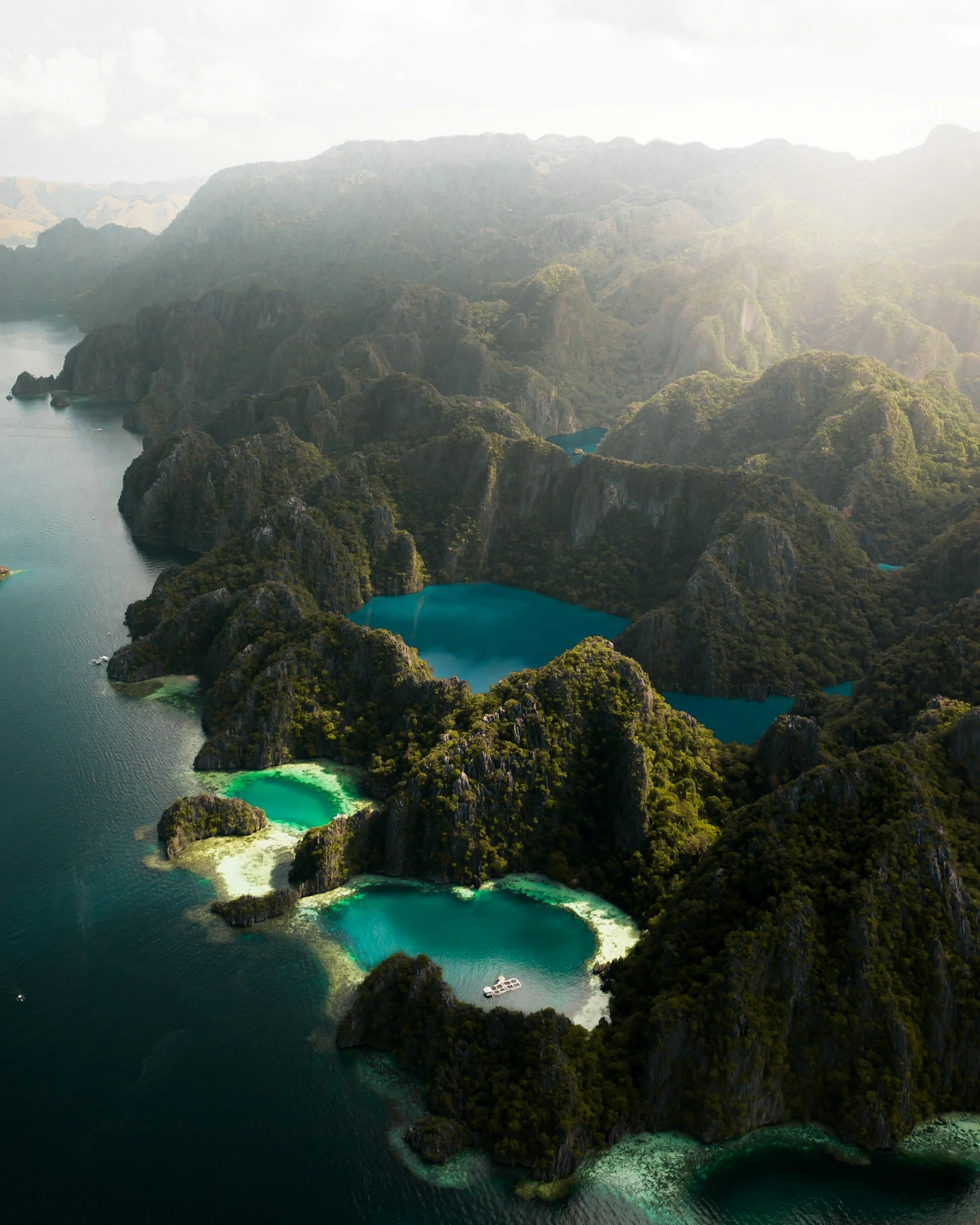
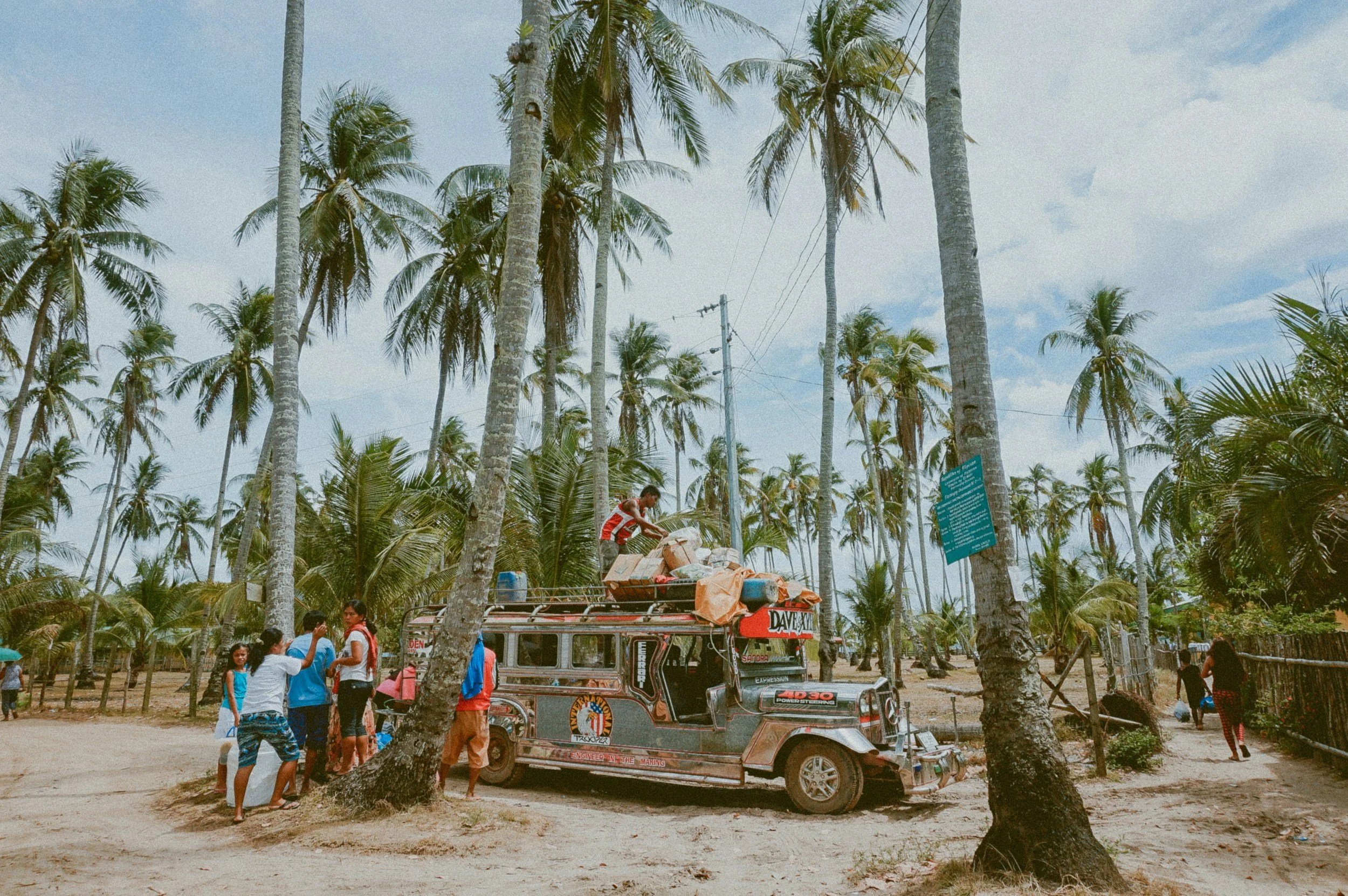
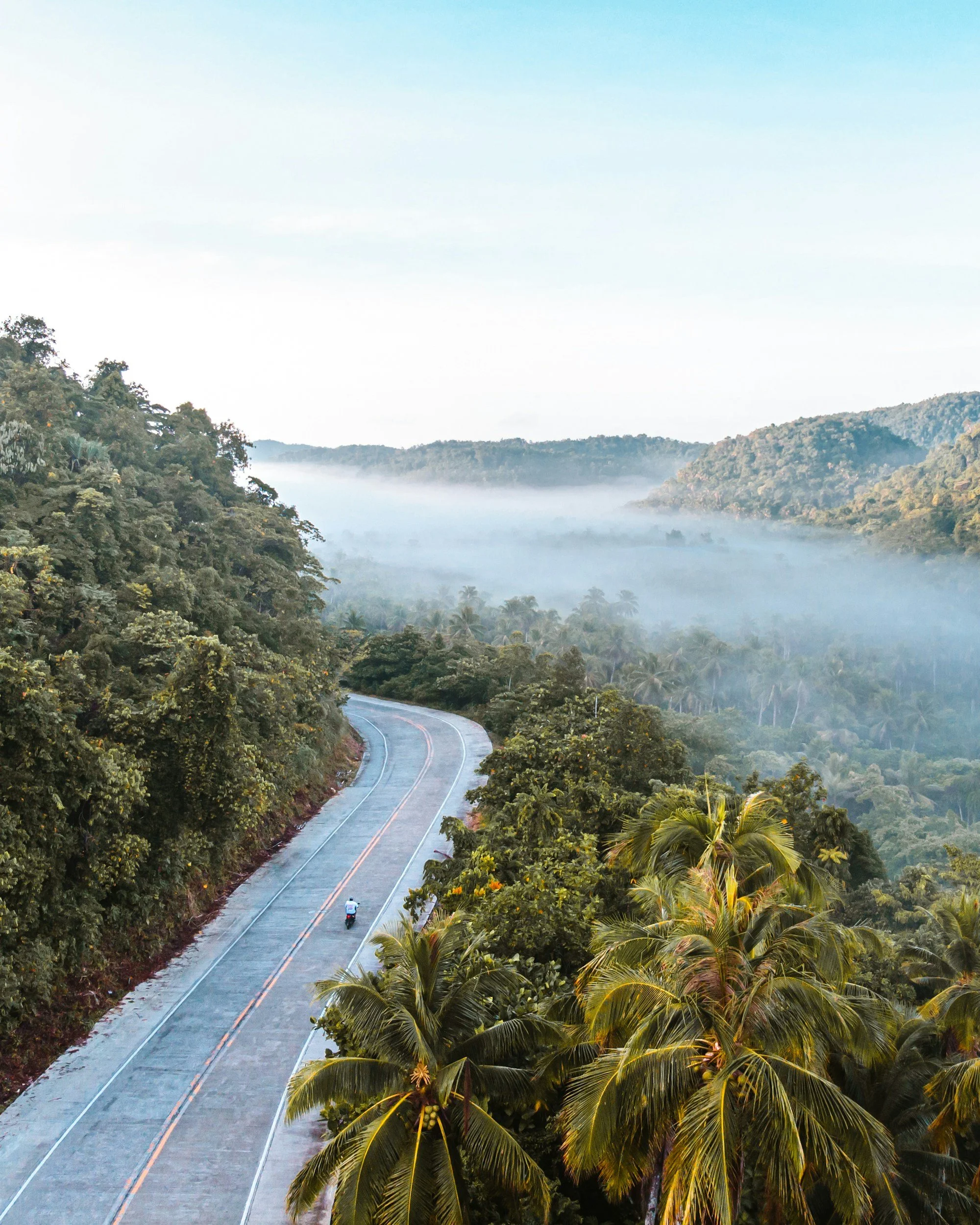
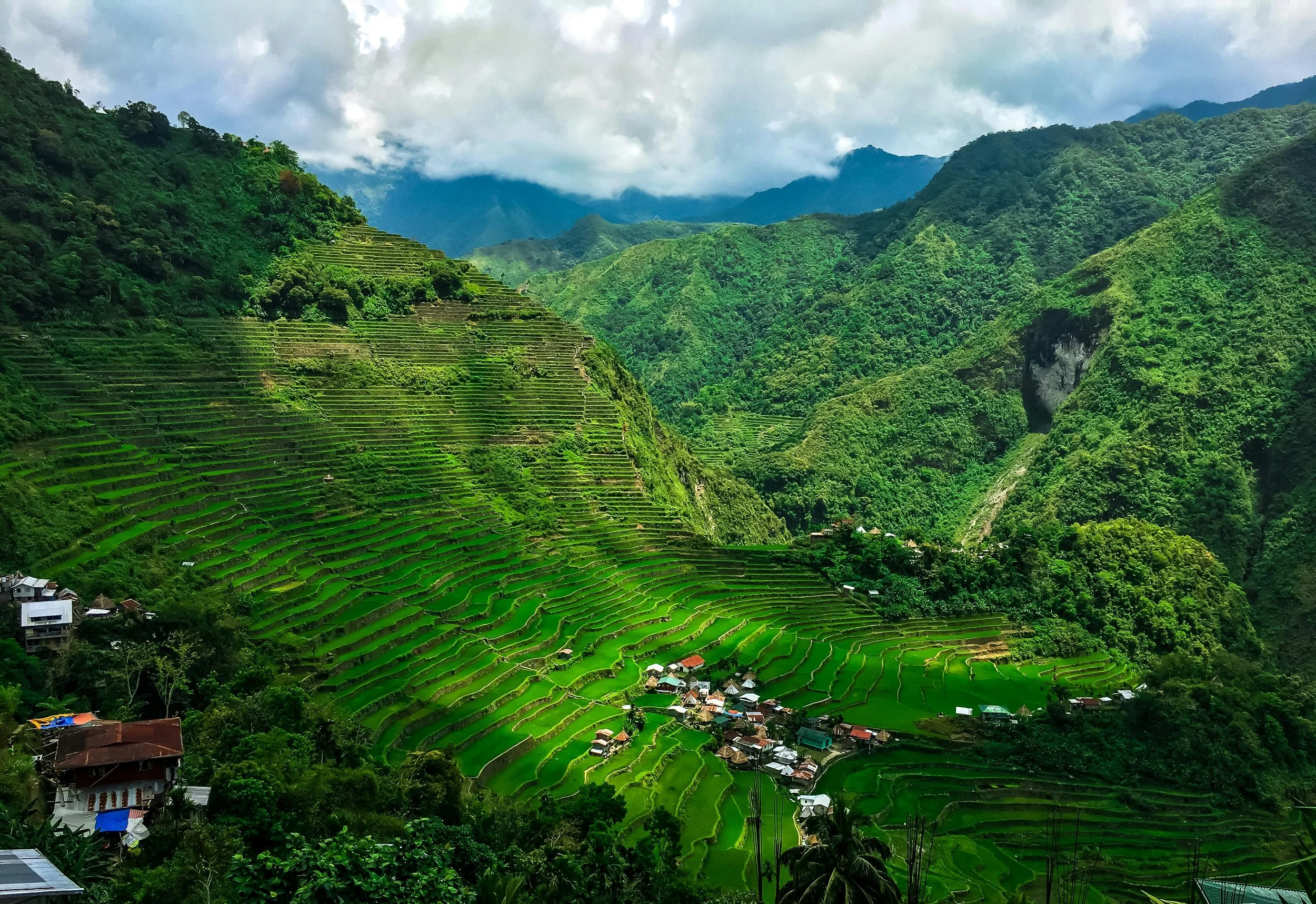
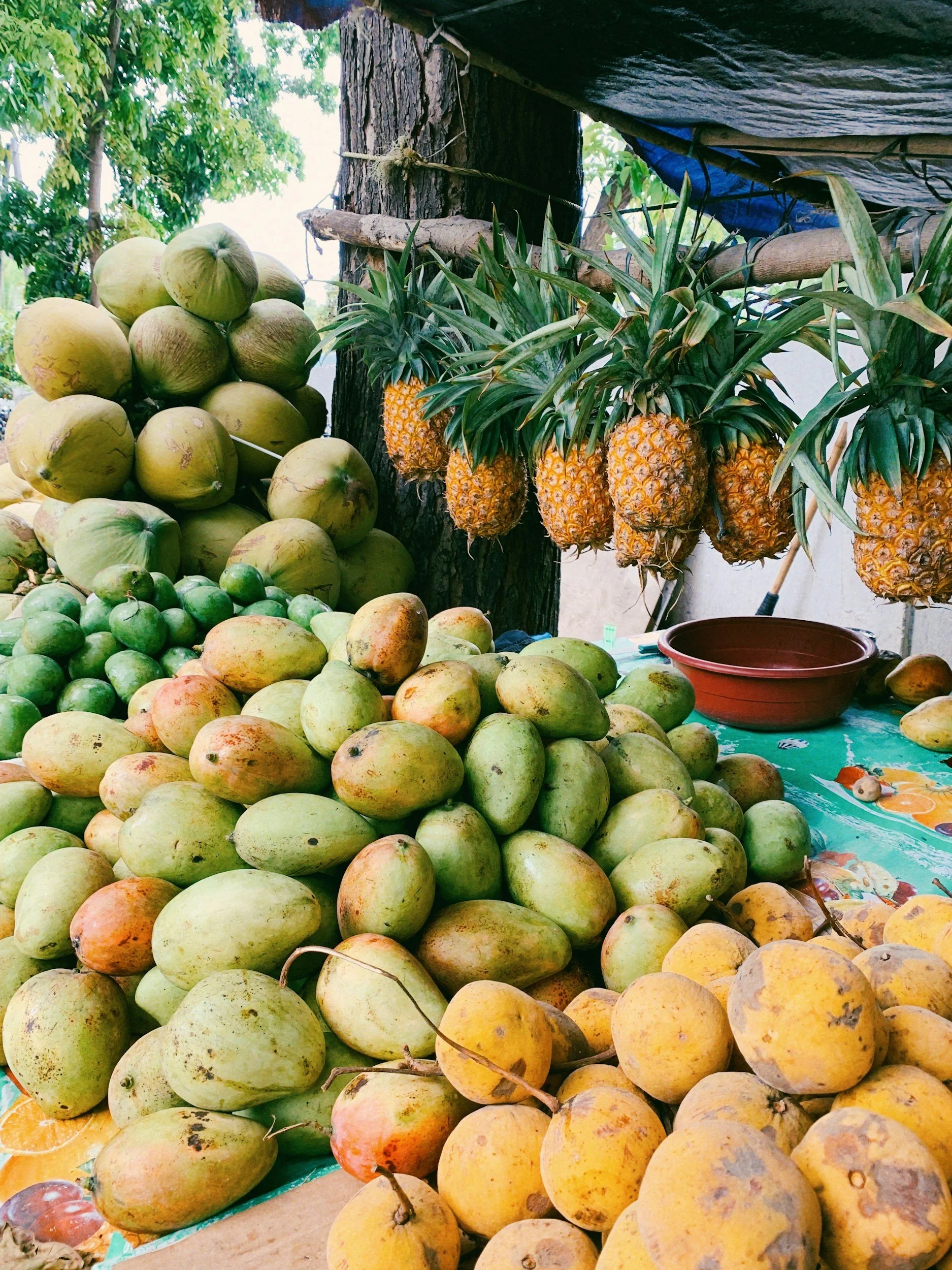
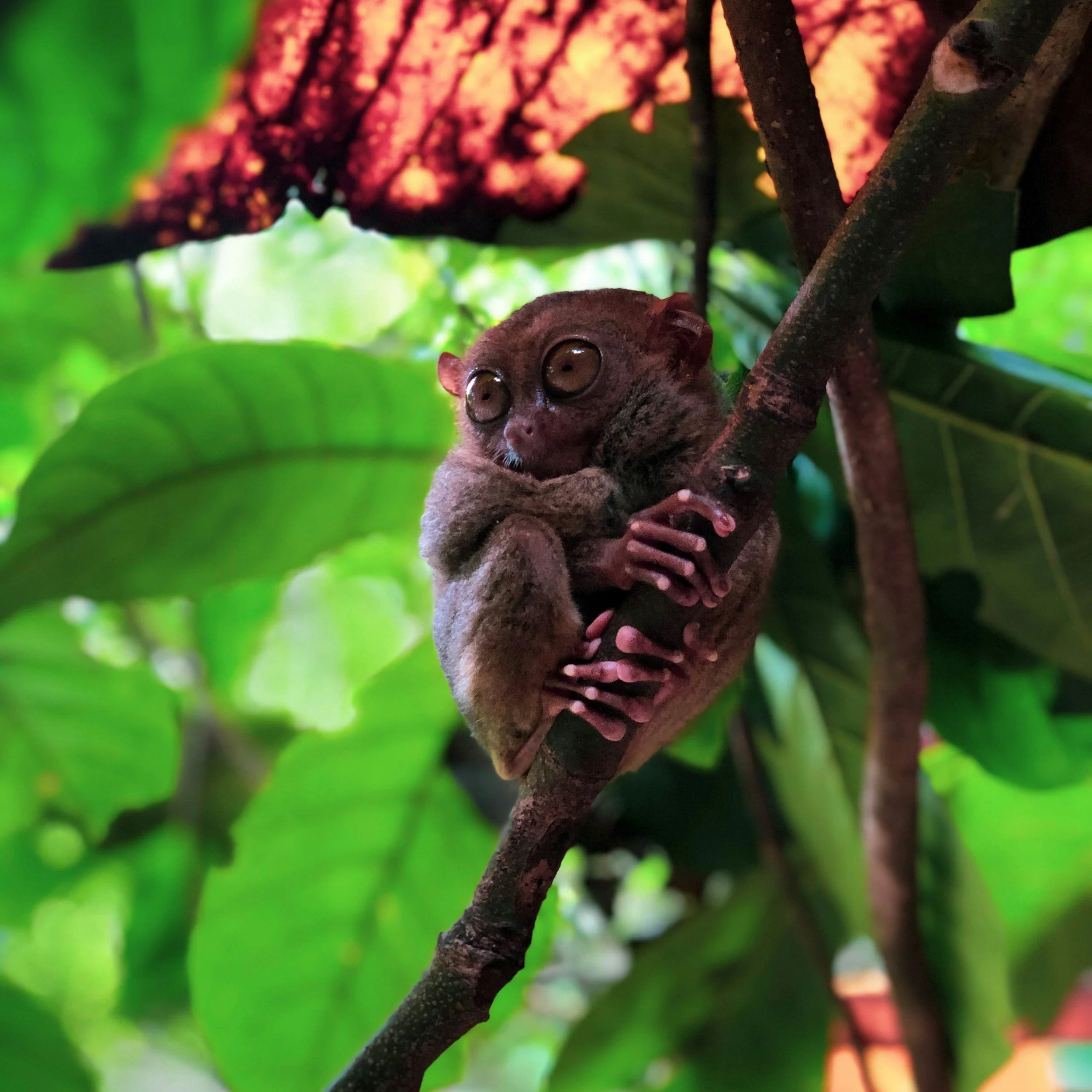
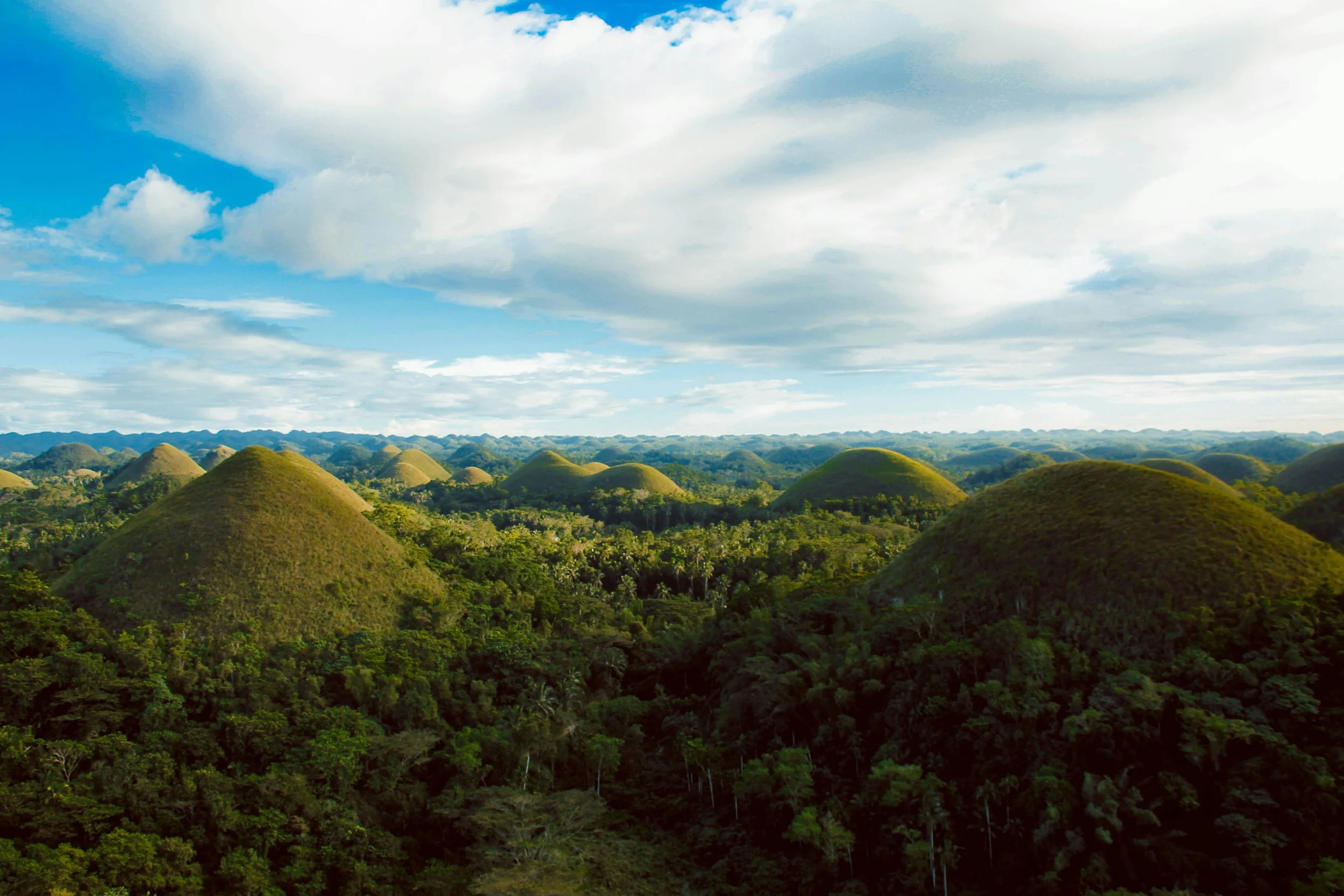
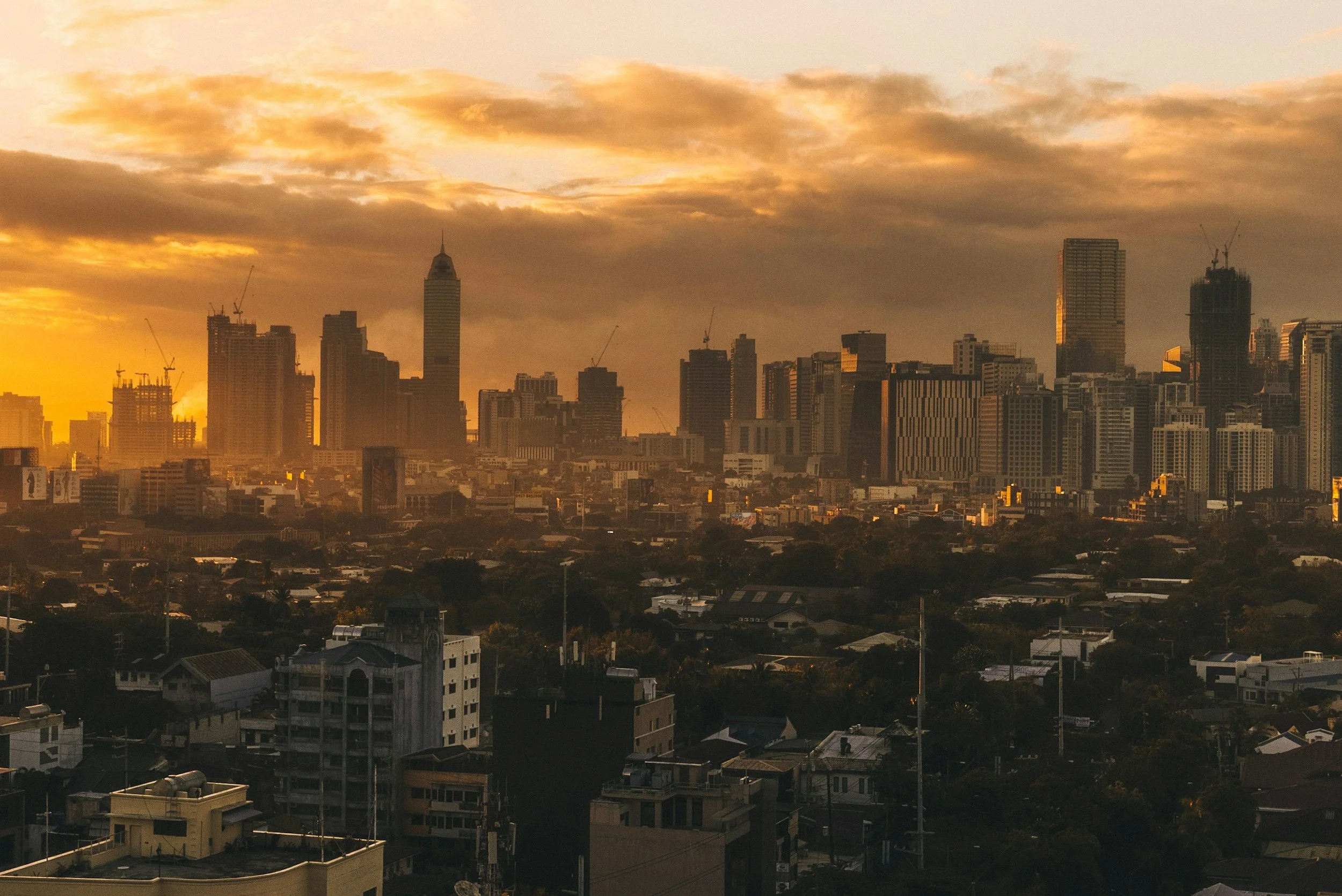
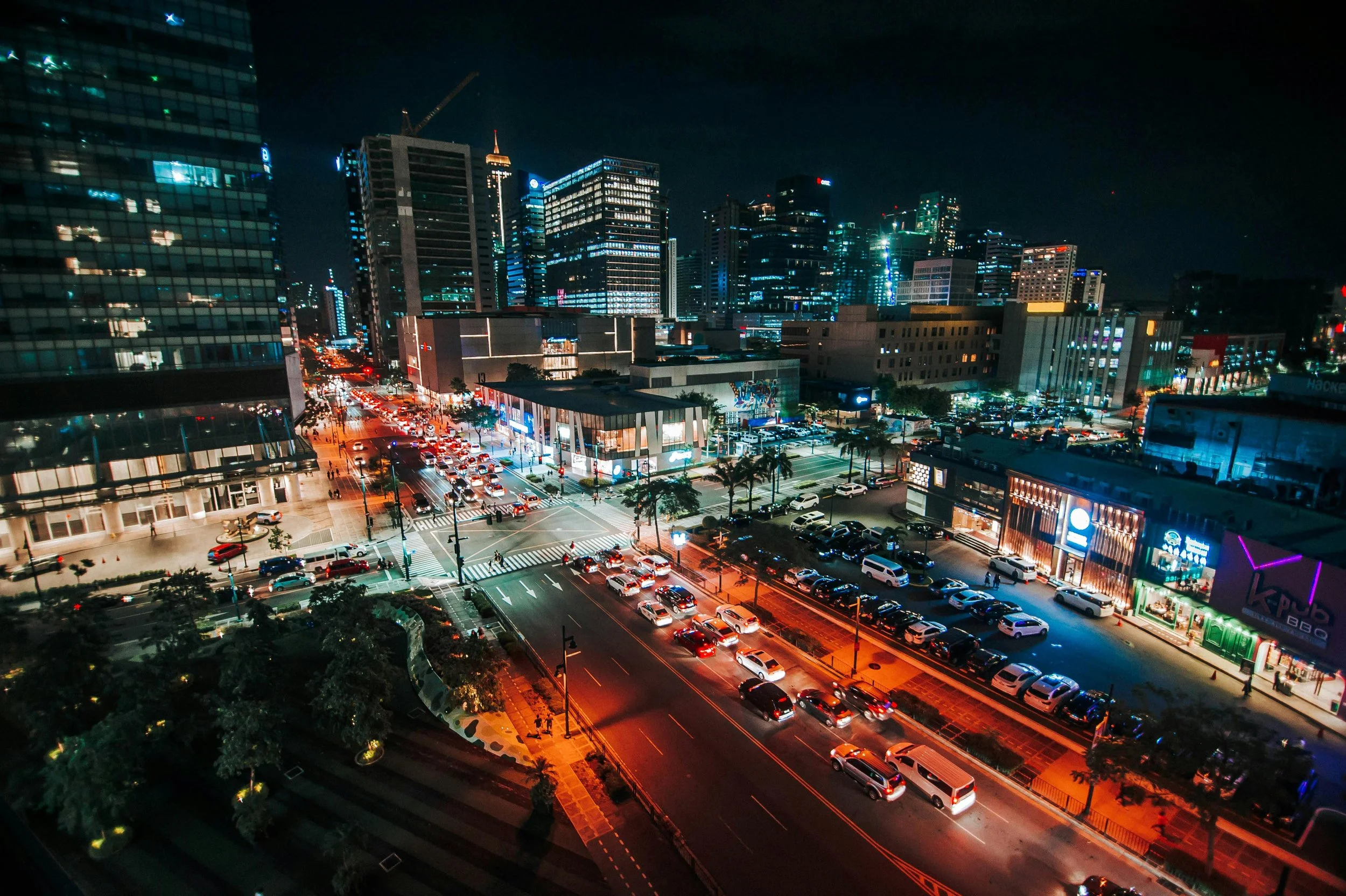
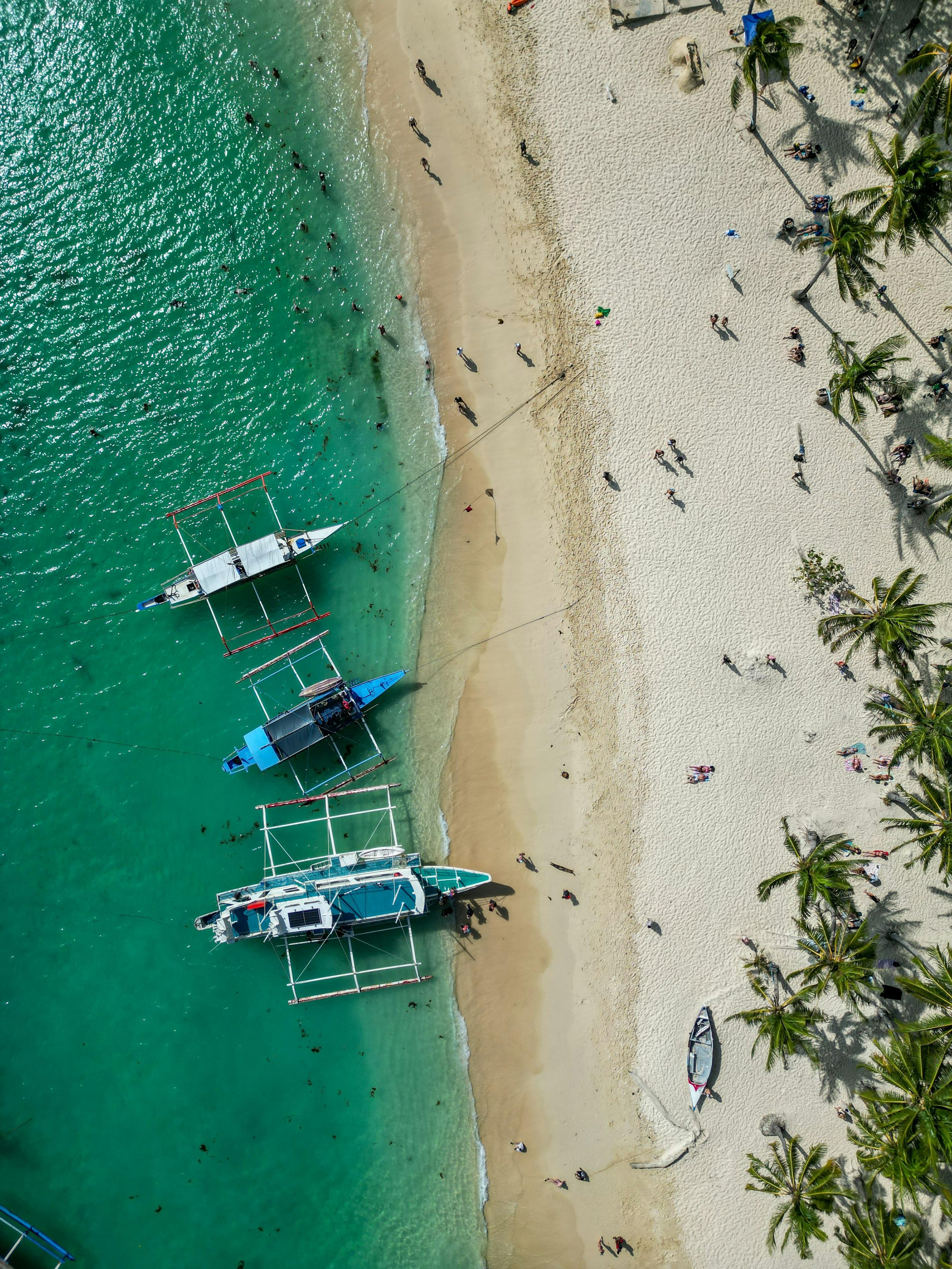
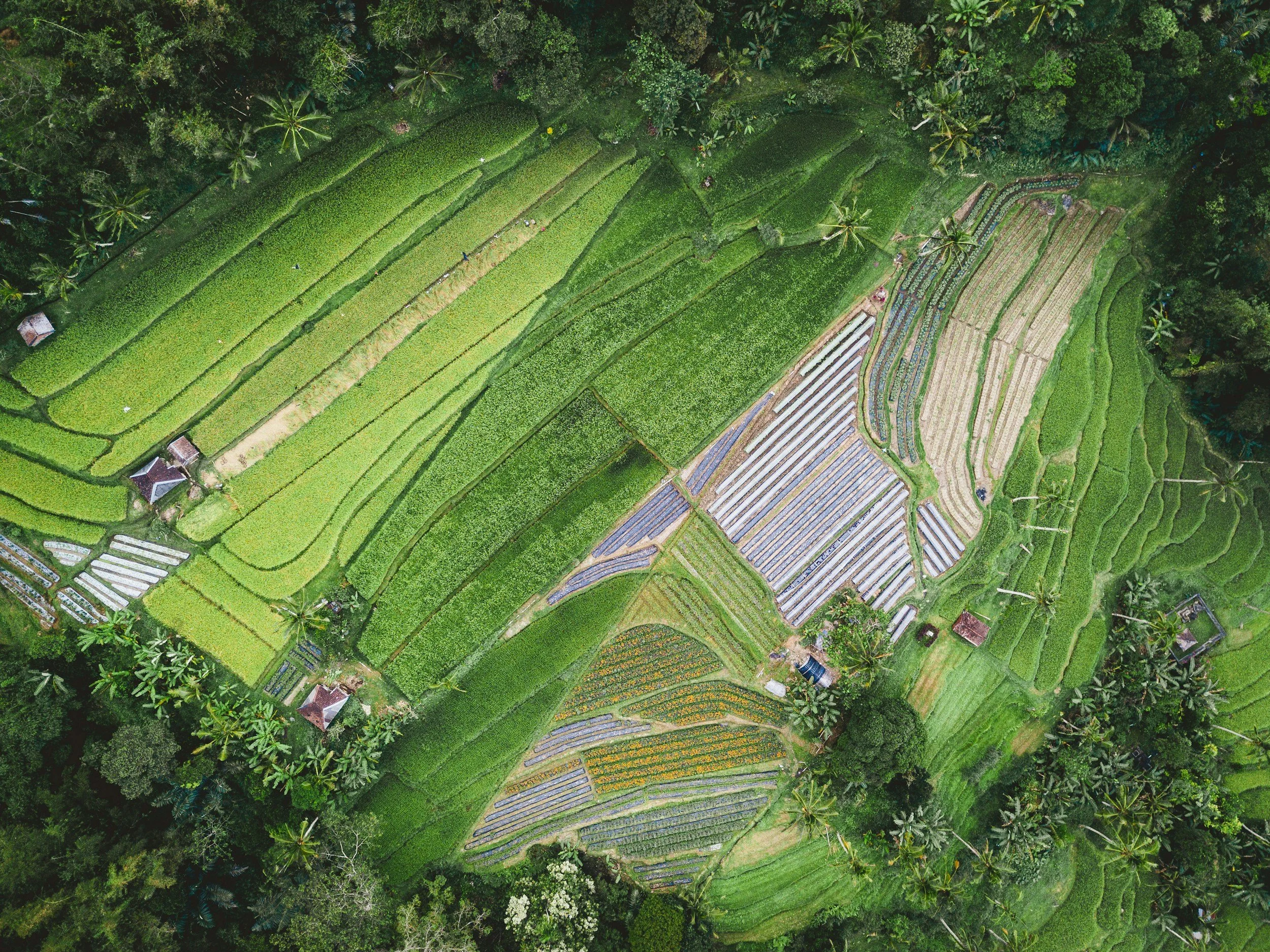
The Philippines is a story written across more than 7,000 islands, each with its own character and wonder. Towering rice terraces carve green stairways into the mountains, while ancient volcanoes rise above rainforests alive with colour and sound. Rivers wind through jungles until they meet the sea, where shores of white sand stretch into waters that shimmer in every shade of turquoise. Beyond the coasts, coral reefs glow beneath the waves, while inland, orchards overflow with mangoes, coconuts, and calamansi, their fragrance carried on the tropical air. From the bustle of vibrant cities to the stillness of hidden coves, the Philippines unfolds like a tapestry - wild, diverse, and endlessly captivating.
HISTORY
HISTORY
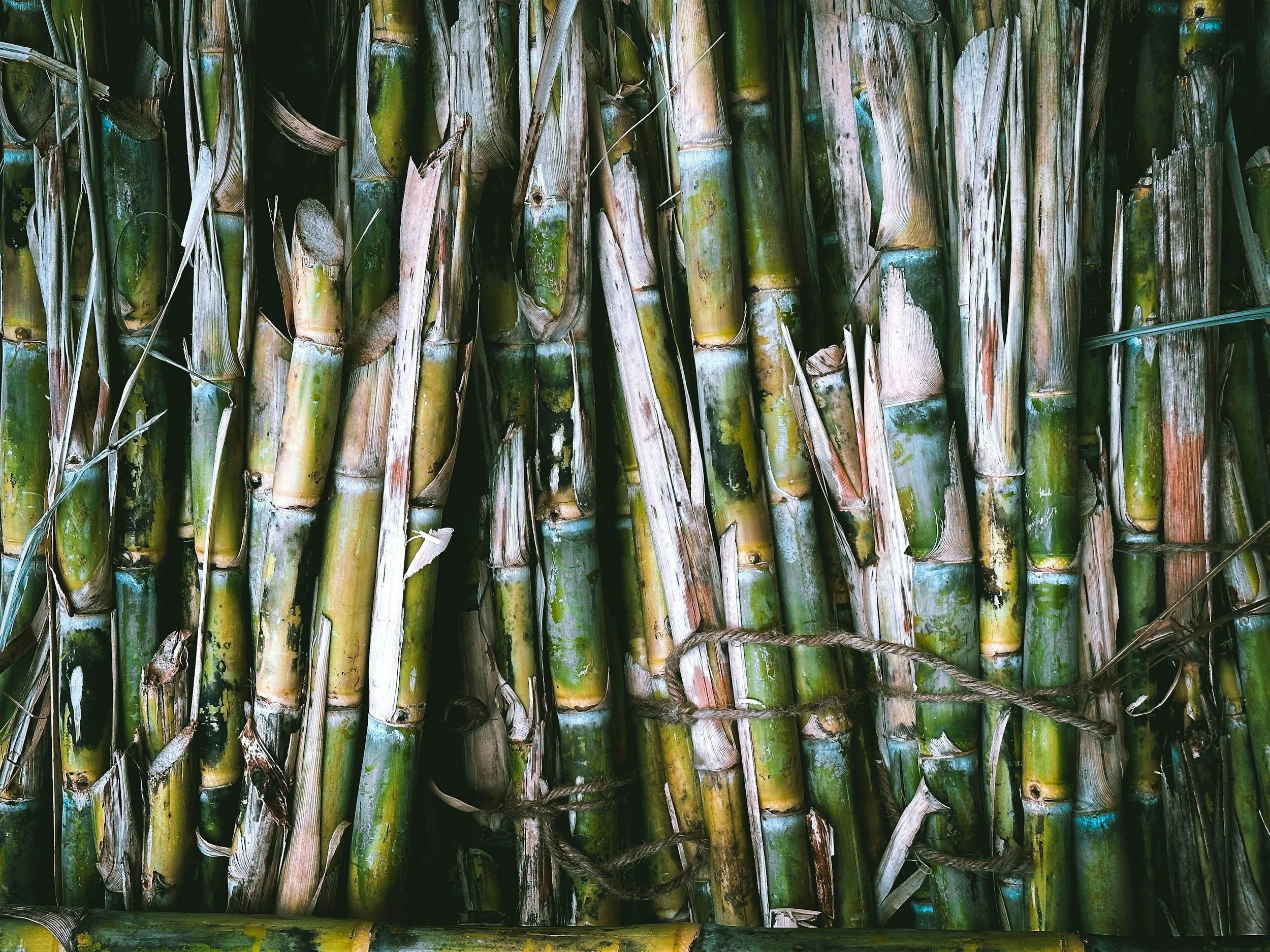
The story of alcohol in the Philippines spans centuries, beginning with early communities fermenting rice, sugarcane, and palm sap into drinks for harvests, rituals, and celebrations. Traditional spirits like tuba, drawn from coconut and nipa palm, were woven into daily life long before colonial influence. The Spanish later introduced distillation, blending with local practices to create new and distinctive flavours. From sugarcane rum to fruit-infused liqueurs, Philippine alcohol became a reflection of both heritage and innovation - a tradition that continues to evolve while carrying the echoes of its past.
PEOPLE & CULTURE
PEOPLE & CULTURE
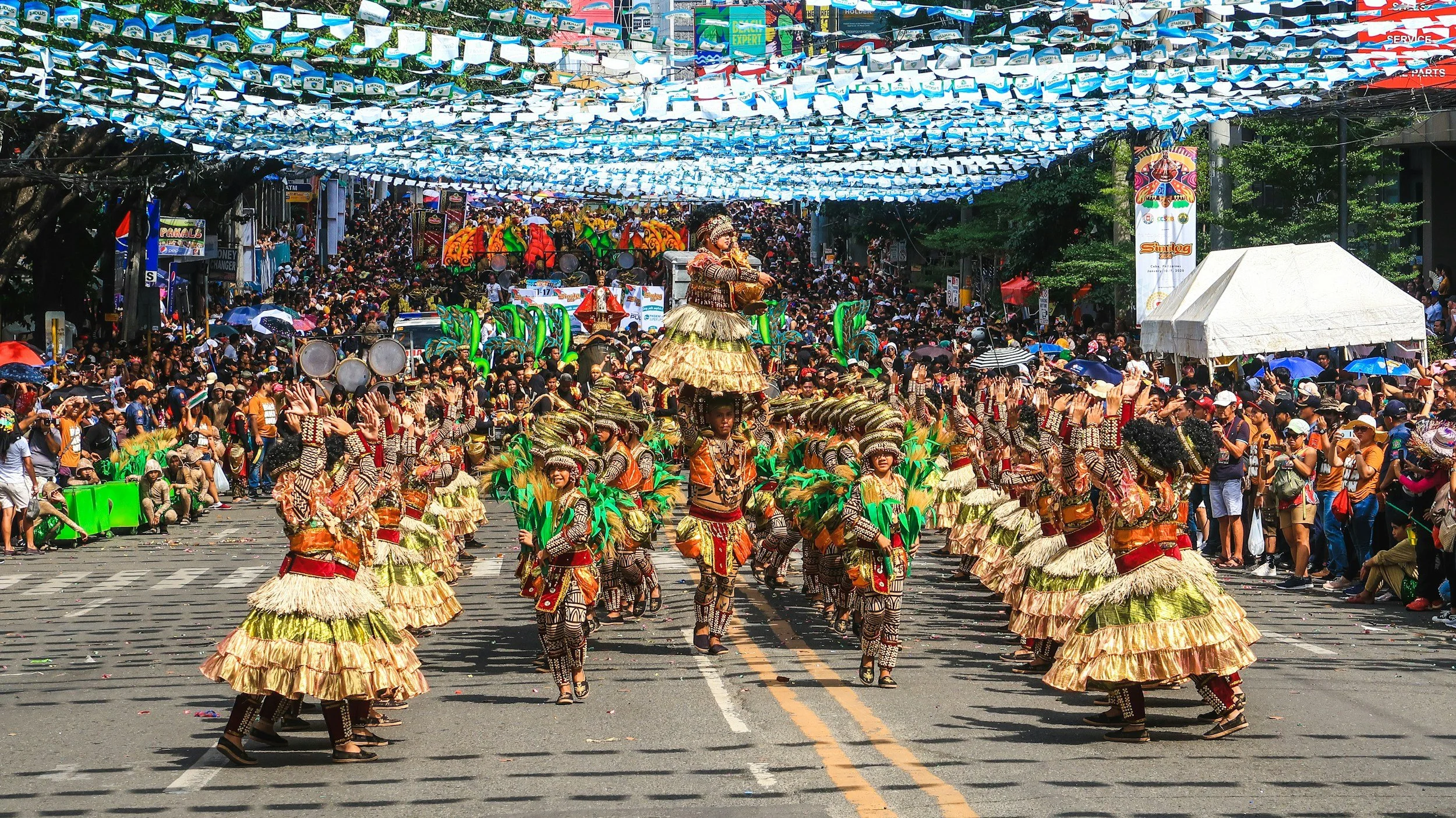
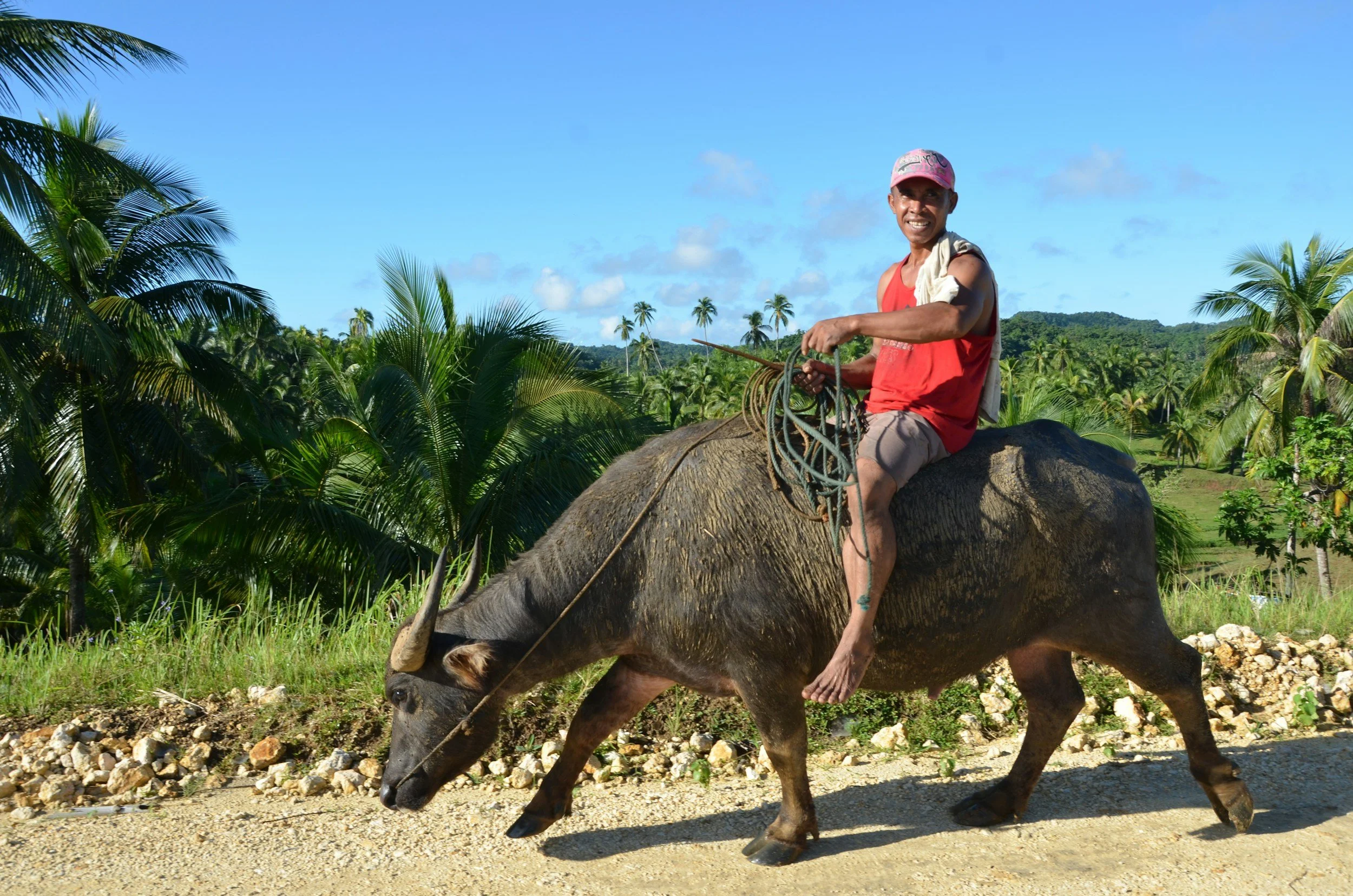
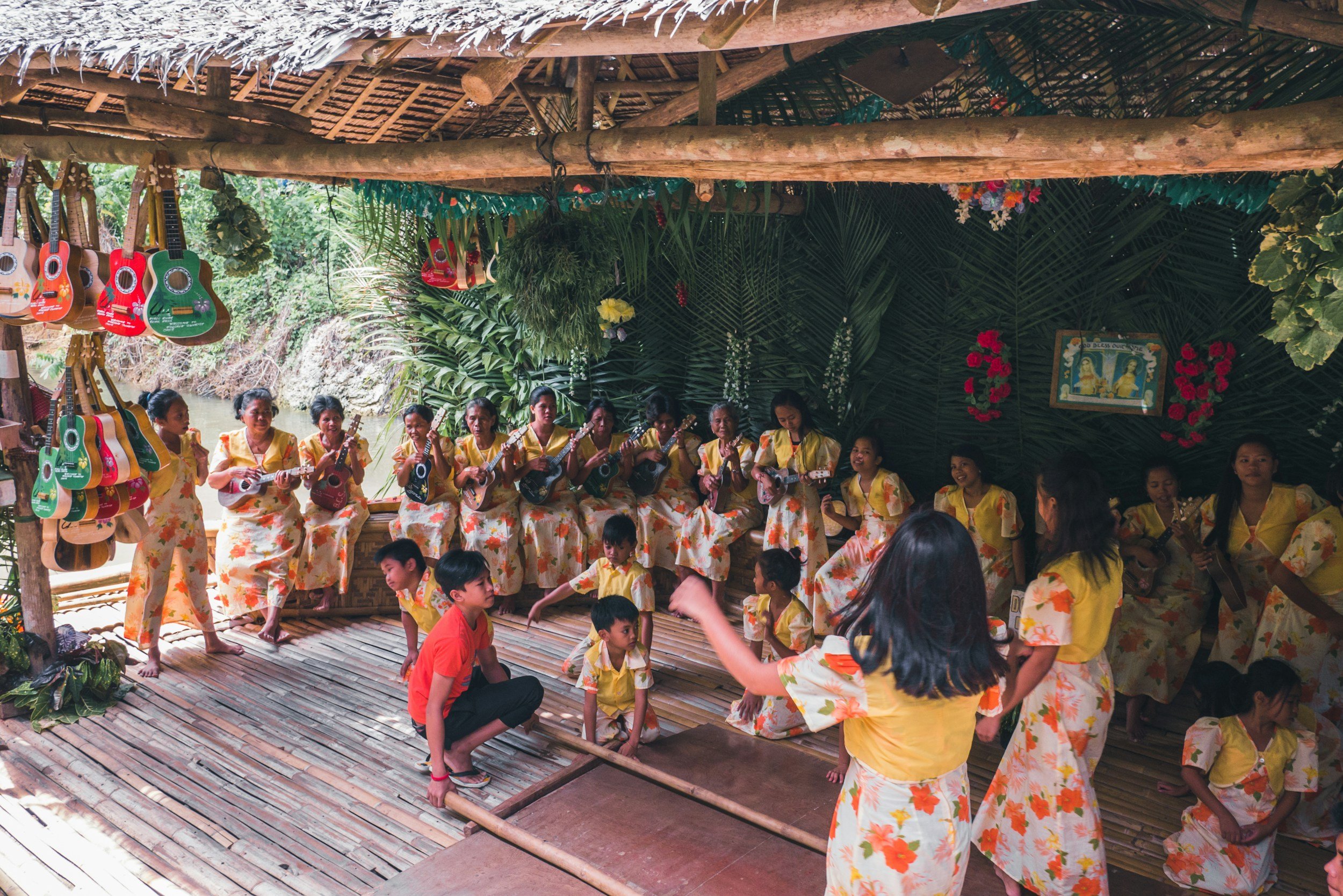
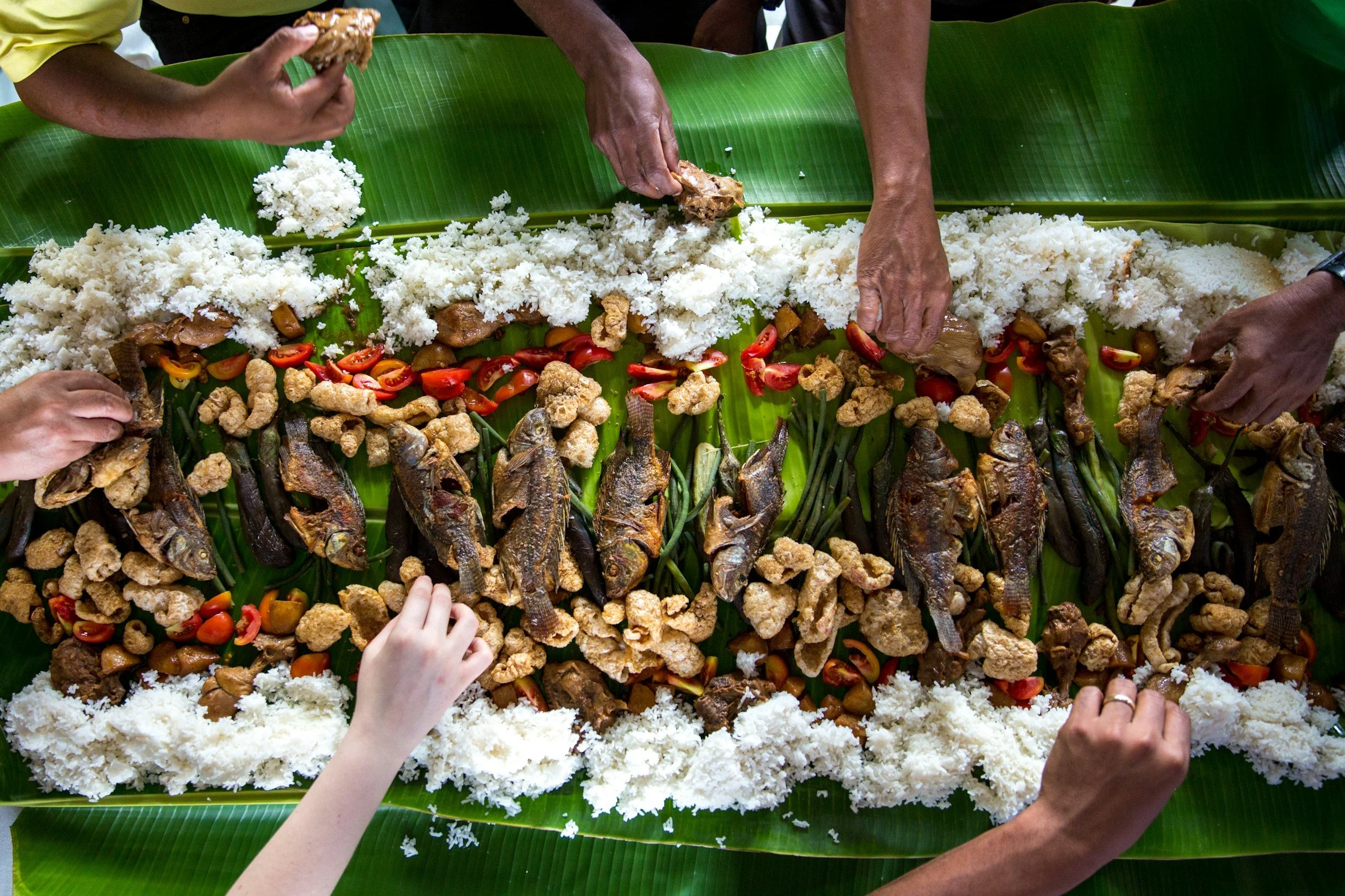
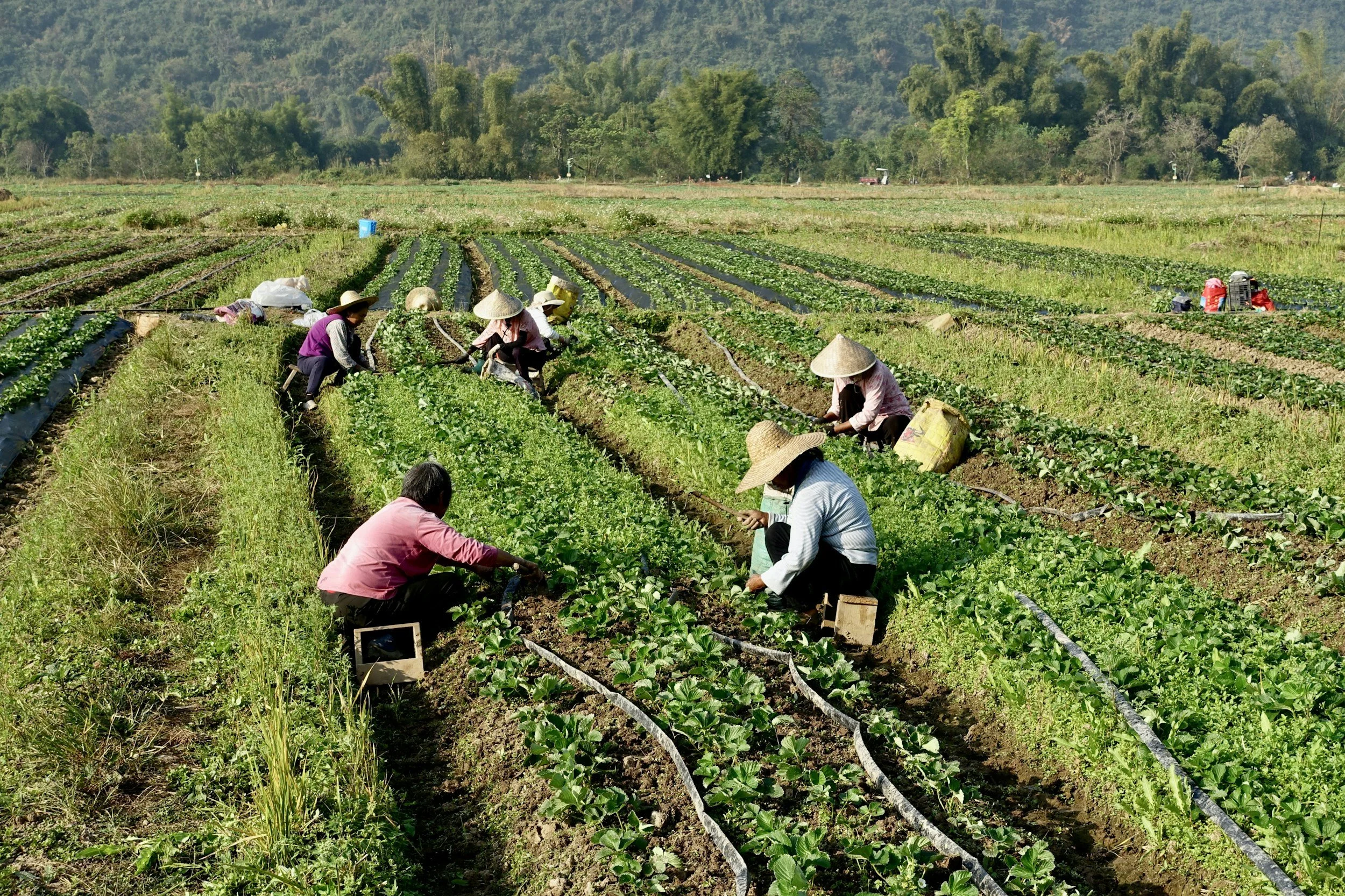
The heart of the Philippines lies in its people and their vibrant culture. Known for their warmth and generosity, Filipinos embrace life with an energy that is contagious. Celebration is second nature - from grand festivals that flood the streets with music and colour to small gatherings where food, laughter, and stories are always shared. Traditions run deep, yet innovation and creativity flourish, blending the old with the new in ways that feel seamless. At its core, Filipino culture is about connection: to family, to community, and to the joy of living fully in every moment.